

Lauren Argenta
Design director at Thinkmill. Loves wireframing, all things user research, and solving complex problems using design and engineering collaboration.
Find Lauren on
thinkmill method
Core concepts
Core concepts are an expression of a project‘s underlying data model and relationships, translated into a written format that the team can build an aligned understanding on.
thinkmill method
Design Ethnography
Adopted from the world of Anthropology, Design Ethnography is a research method that captures everyday life to discover interesting and unseen user experience opportunities.
thinkmill method
Functional wireframing
Functional wireframing documents how the various pages and interface elements of an app or website need to come together in order to support the user.
thinkmill method
Low-fidelity prototypes
Low-fidelity prototypes bring interactivity to functional wireframes to in order to test and better understand how a product or app needs to respond to user interaction.
thinkmill method
Process mapping
Process mapping surfaces the movement of information and user interaction throughout a system in the form of a flowchart. It captures assumptions or current-state realities related to how the system works, and helps expedite alignment, design, and development,
thinkmill method
Playback
Playbacks are checkpoint updates to a wider audience than the core team. They share progress to garner feedback and ensure delivery aligns with expectations before proceeding further.
thinkmill method
User journey mapping
User journey mapping captures the steps a user takes to complete a specific task in the form of a flowchart. It surfaces assumptions about how the team expects a user to interact with the product, and highlights pain points and areas for improvement.
talk
How to establish multi-disciplinary teams to effectively design and build products
Lauren recently co-presented with Paul Merrell from Meld Studios at UX Australia 2022 about how Thinkmill & Meld established a multi-disciplinary team to effectively design and build a product.
talk
Engineering-led design
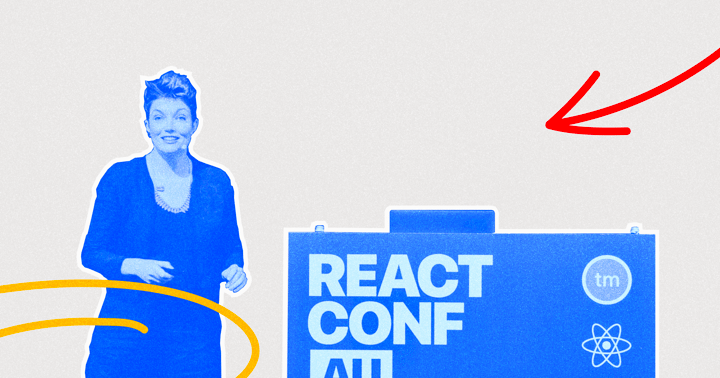
Lauren Argenta describes Thinkmill’s Engineering-led Design mindset, and the 5 behaviours that a cross-disciplinary team can adopt to make work life (and the software we make) better.



More posts from other Thinkmill voices
Your agent believes that docs folder
The agent trusted a committed docs folder of generated artefacts over my instructions. I deleted the lot and lost nothing.
·8 min readAre your AI agents making progress or producing work?
We shipped a working MVP for the Tech Council of Australia in two weeks using an agentic development workflow. Along the way, we learned how easily agents can produce convincing work without moving a product forward, and why engineers still need to decide what progress looks like.
·5 min readWhat AI use looks like in five enterprise design teams
Listening to design teams at Stripe, Shopify, Ramp, Atlassian, and Intercom, three ingredients become clear: a place to prototype, good context, and someone helping people put both to use.
·9 min read


Want to keep the conversation going?
Whether you’re exploring an idea, building a team, or just curious about how we work, we’d love to hear from you.