Meet with us
Stuck on delivery, architecture or AI? Bring your challenge as-is and talk it through with an engineer who’s helped teams at companies like Atlassian, Westpac and Koala. It doesn’t need to be neatly defined. “Something feels off” is enough to start with.
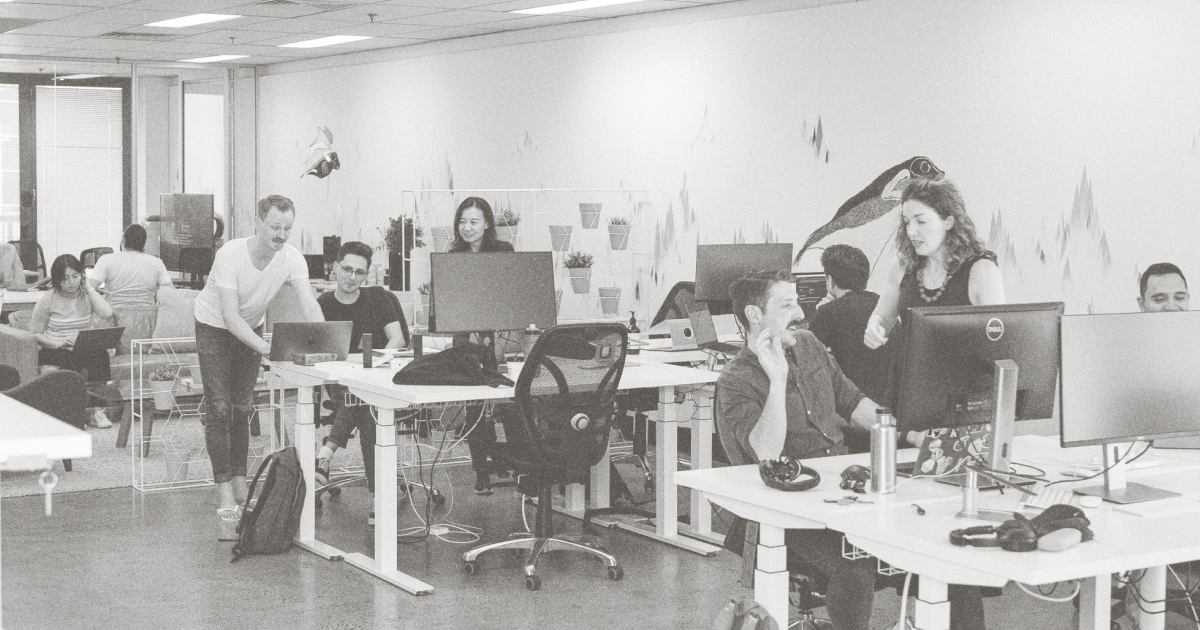
We’ll pressure-test your thinking, surface the risks and tell you what we’d prioritise, what we’d stop doing and what can wait. You’ll leave with an honest second opinion and a written summary to take back to your team.
It’s genuinely free, with five spots open each month. Book a second opinion.
From the blog
Designing beyond the median user: Ronald Aveling explores how design systems, headless platforms and AI could finally move software beyond designing one interface for an imagined average user. Instead, designers may define the building blocks, data and boundaries behind interfaces that adapt to what each person needs.
Why great engineering still wins: Ben Derham explains why great engineering still matters when AI can write code faster than ever. As implementation gets easier, the real value shifts towards judgement, collaboration, technical leadership, and creating the foundations that help people and AI make better decisions.
Where AI actually helps quality engineering: Max Khedri explains how AI can support quality throughout planning, development, review and release. With clear specifications, guardrails and human judgement, AI can carry context between each stage, shorten feedback loops and surface risks before they become costly problems.
Curated links
The AI Compass: A 15-question quiz that maps your views on AI across two axes and matches you with one of 30 AI archetypes.
Design Systems Are No Longer Optional: Now that AI is generating most of your UI, your design system is no longer a consistency tool — it’s now the main source of truth a model can generate against. Whether that stays accurate is now a more consequential question than it used to be.
ARIA Snapshots: ARIA snapshots let you test the accessibility structure of your pages. Instead of asserting against raw HTML or visual output, you assert against the accessibility tree — the same structure that screen readers and other assistive technologies use.
Thanks for reading! Until next time 👋